The silent munchers: how to spot and stop carpet beetles before autumn
We love having friends come to stay, don’t we?
We fuss around making sure there’s lots of food in the house, that they’ll be comfy and warm in their room, and that they can just relax in our home without a care in the world.
You may be doing exactly that, though, for a myriad of unwanted guests – carpet pests.
Tucked away in the dark corners of your living room, underneath the heavy sofa you rarely move, and deep within the pile of your wool carpet, tiny invaders feast on a banquet of tasty food, comfy and warm, leaning into your hospitality without a care in the world!
Carpet beetles and carpet moths are among the most destructive household pests in New Zealand. They thrive in the warm conditions of late summer, quietly multiplying and causing hundreds—sometimes thousands—of dollars in damage before you even realise they have moved in.
If you want to protect your flooring investments, you need to know what you are looking for. Here is exactly how to spot the signs of a carpet pest infestation, why DIY sprays will not save your bacon, and how to stop these silent munchers in their tracks before autumn sets in.
Meet the enemy: it is the larvae, not the adults
When most people think of a pest infestation, they picture adult insects—visible and identifiable. But with both carpet beetles and carpet moths, the adults are completely harmless to your flooring. They don't have the mouthparts to chew through textiles. Their only goal is to mate and lay eggs in dark, undisturbed areas where there is a food source for their young.
The real damage is done by their offspring: the larvae.
These larvae are voracious eaters, and their absolute favourite food is keratin—the natural protein found in animal-based fibres. Woollen carpets, rugs and clothes, silk furnishings and clothes, leather and feathers, and shed pet hair are all firmly on the menu.
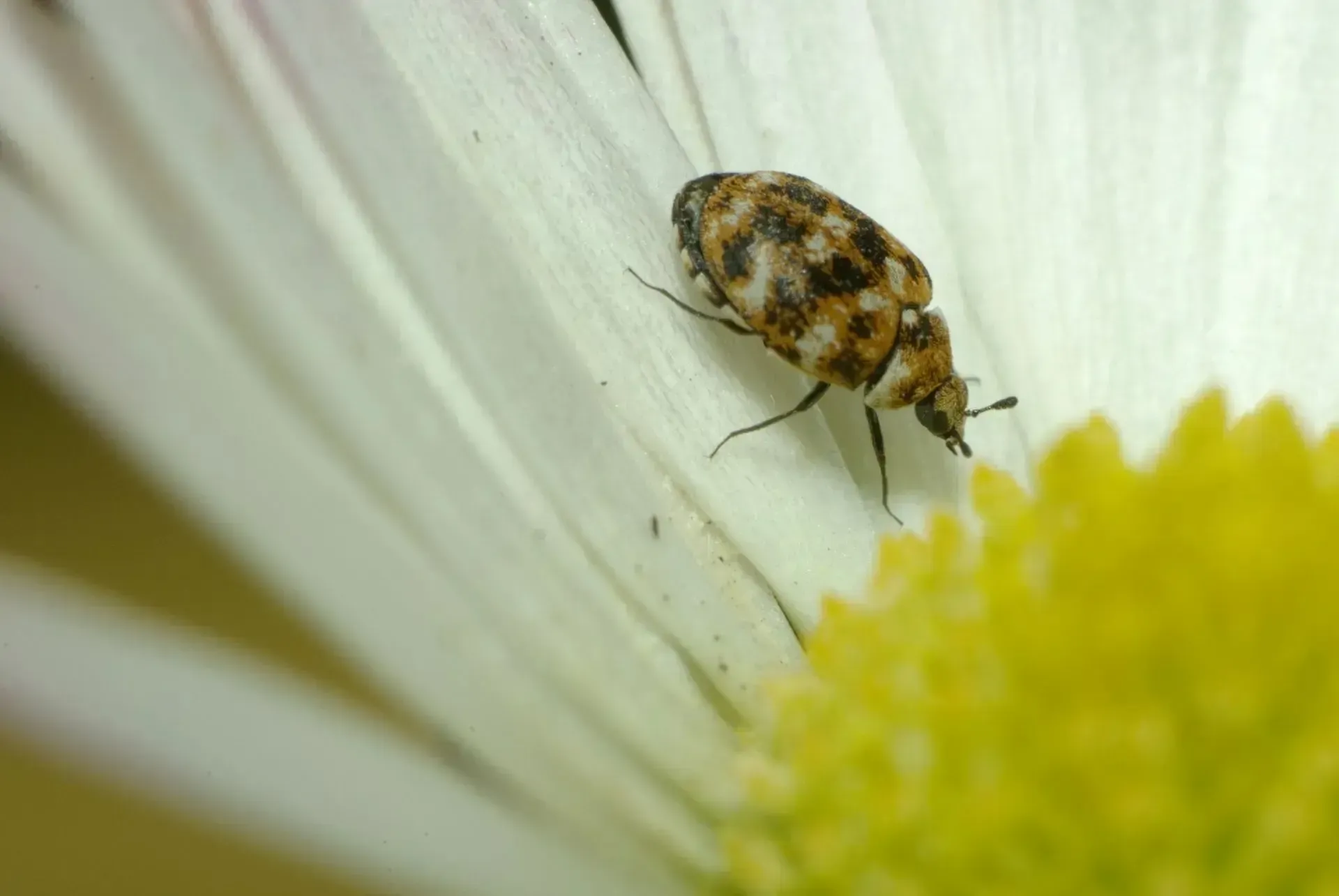
Carpet Beetles: The adult beetles are tiny (about 2-4mm long) and often look like miniature, mottled ladybugs with brown, white, and yellow scales. They usually fly in from the garden. The larvae, however, are small, hairy, caterpillar-like grubs often referred to as "woolly bears." These grubs will spend up to a year slowly grazing on your carpet fibres.
Carpet Moths: Adult carpet moths are small, buff-coloured insects that tend to scurry rather than fly. Unlike the moths that flutter around your porch light, carpet moths hate the light. They lay microscopic eggs deep in the carpet pile, or in the tiny gap between the carpet and the skirting board. When the larvae hatch, they spin tiny, silken tubes and drag them along as they eat their way through your floor coverings.

The perfect conditions: late summer becoming autumn
Christchurch will often get strings of hot days followed by warm, muggy, humid evenings. For a carpet pest, this environment is a five-star nursery. High humidity softens the natural fibres in your carpet, making them easier for the larvae to chew and digest. The warmth also dramatically speeds up their life cycle, allowing eggs to hatch faster and larvae to eat more aggressively.
With the arrival of autumn’s coolness, you start turning on your heat pumps or lighting your fires, inadvertently keeping the indoor environment perfectly warm enough for them to continue eating right through the winter. This is why late summer and early autumn are the most critical times to inspect your home and intervene.
How to spot an infestation
Because these pests hate the light, they will not be feeding in the middle of your hallway. You have to go looking for them. Grab a torch and check the edges of your skirting boards, underneath or behind heavy furniture (like beds, bookshelves, and sofas), and in dark wardrobes and closets.
Here are the four tell-tale warning signs of an active infestation:
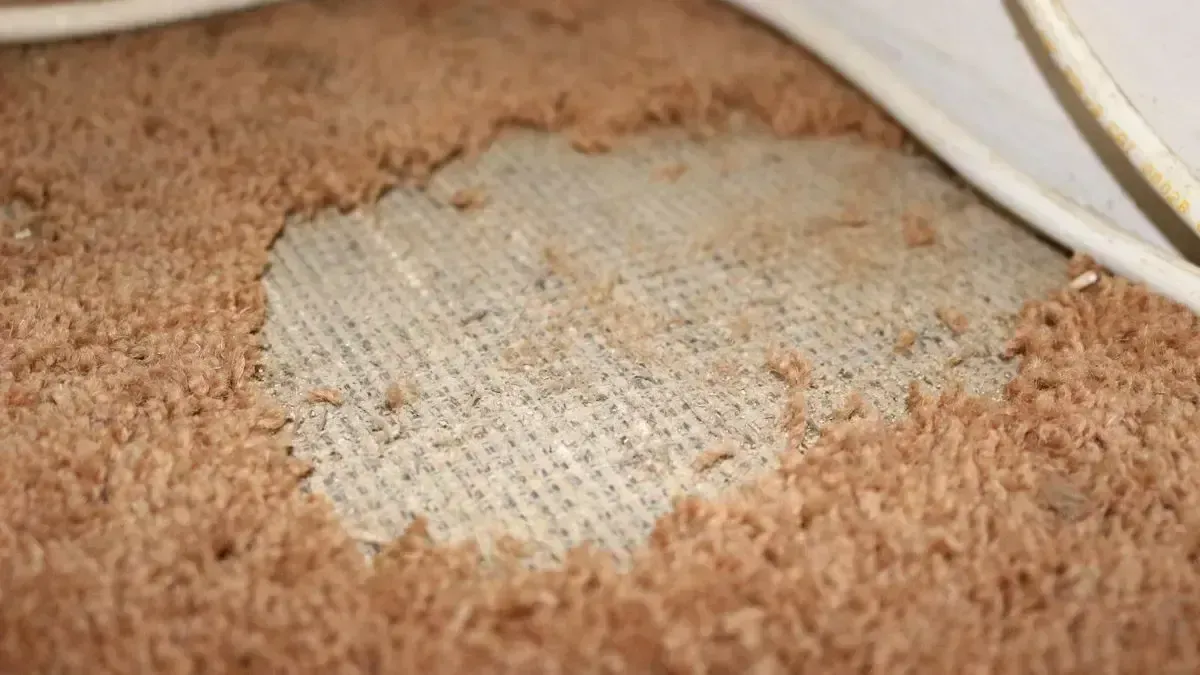
1. Threadbare patches or "shaved" carpet The most obvious sign of an issue is unexplained damage to your carpets or rugs. Because larvae feed at the base of the carpet, the damage often looks like someone has taken a razor and shaved the tufts right off the backing. If you notice thin patches, especially in hidden corners, pests are the likely culprits.
2. Shed larval skins As carpet beetle larvae grow, they moult, leaving behind empty, translucent, hairy shells. Finding a cluster of these tiny, brown skins underneath a piece of furniture is a guaranteed sign that a colony has established itself in your home.
3. Silken tubes or webbing Carpet moth larvae spin tiny silk webs or tubes that they live inside while they feed. These often blend in with the colour of the carpet, but if you look closely with a torch, you might spot what looks like thick, dusty cobwebs sitting deep within the carpet pile.
4. Tiny flying adults on windowsills If you notice tiny, mottled beetles or small, dusty moths dead on your windowsills, it means the larvae have matured, pupated, and the adults are on the move. Unfortunately, it also means a new generation of eggs has likely already been laid.
The DIY trap: why vacuuming and supermarket sprays fail
When homeowners discover a bare patch under the sofa, the initial reaction is usually panic, followed immediately by a trip to the supermarket for a can of bug spray.
Unfortunately, standard DIY methods simply do not work against a systemic carpet pest infestation. Here is why:
Eggs are glued on: Vacuuming is excellent for removing loose dirt, but carpet moths and beetles secure their eggs to the carpet fibres. A standard household vacuum cleaner does not have the suction power to break this bond.
Sprays only touch the surface: Aerosol bug bombs and surface sprays settle on the top of the carpet pile. The larvae are safely buried at the very base of the carpet, or down in crevices such as along skirtings. The product never reaches them.
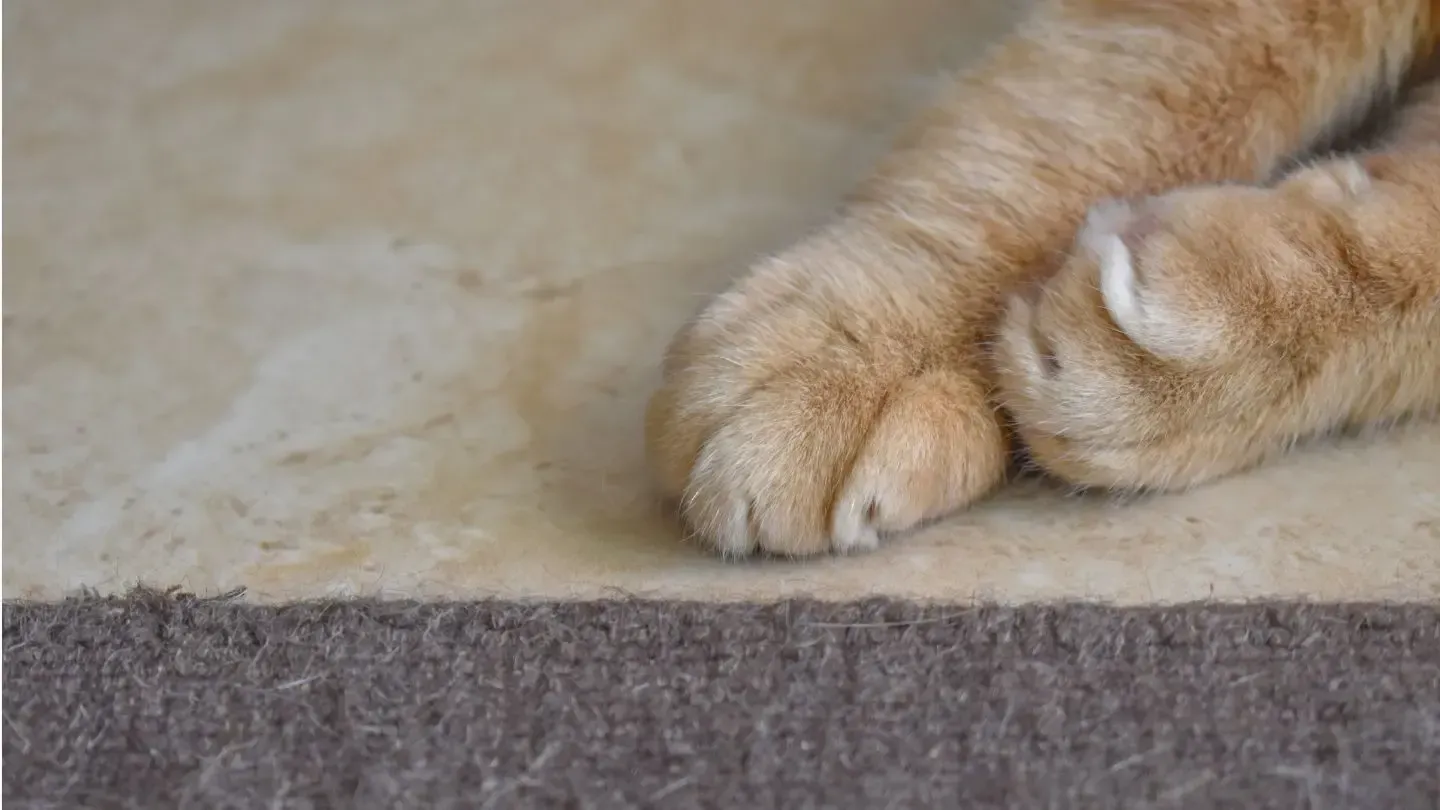
You are leaving the food source behind: Pests are attracted to carpets that contain food sources. Aside from the wool carpet fibres themselves, it’s often a buildup of pet fur that will keep carpet pests feasting like it’s an all-you-can-eat- for-$5 deal. We’ve seen carpet moth infestations in non-wool carpets simply because there was so much pet fur for them to munch on.
The professional solution: why it works
To truly eradicate carpet beetles and moths you need an approach that’s tailored to your needs.
At Advanced Carpet Cleaning in Christchurch, our team is not just trained in textile care; we are fully NZQA-certified for residential and commercial pest management. We tackle infestations by breaking the life cycle. This can be done by pest control treatment alone, or you may need a dual approach so here are both:
Deep Steam Cleaning (Hot Water Extraction) If the food source is pet fur or significant dust and hair build-up, we will recommend a thorough steam clean to remove the attractants, followed by a pest control treatment. Our industrial, truck-mounted steam cleaning systems utilises high-temperature steam and powerful vacuum to extract as much of the food source as possible. This reduces the chance of reinfestation.
Targeted, Certified Pest Control Treatment We apply a specialised, professional-grade pest control treatment directly to the carpet, paying special attention to crevices. This can either be a wall-to-wall treatment if the infestation is severe, or (most commonly) the 2-foot perimeter of carpet around the entire room. This direct-spray treatment penetrates down to where the larvae hide. It targets the pests at their eating stage so they can’t reproduce.
After-treatment vigilance You can’t stop pests from coming in through open doors and windows, but if you’re vigilant you can lessen the chances of another infestation.
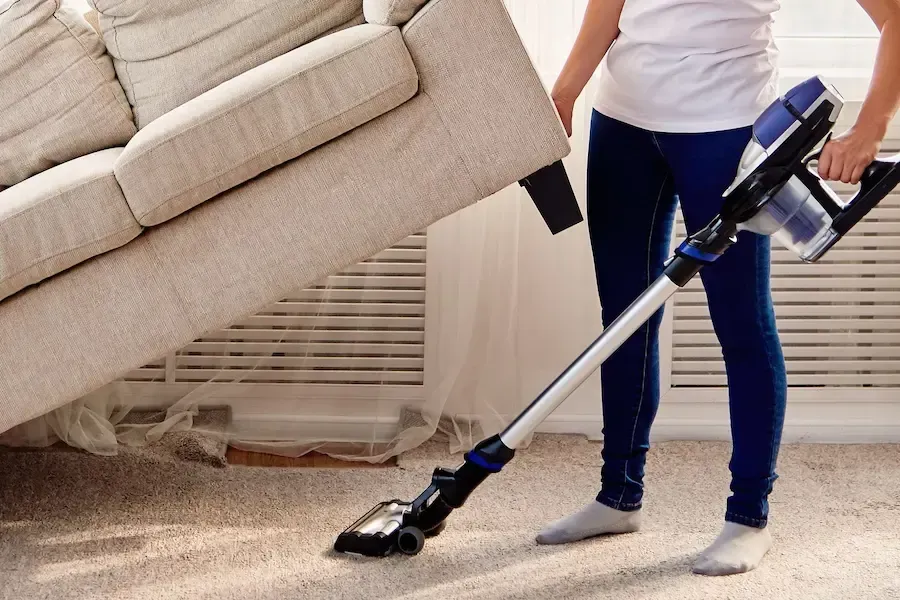
Regular, vigorous vacuuming of carpet under and behind curtains and furniture, including in closets and wardrobes, is your best defence against another influx. Placing sticky insect traps near the really hard to reach nooks and crannies can also catch a few, hopefully before they lay eggs.
Don't let your carpets become a late-summer snack
A wool carpet or a beautiful Persian rug is a significant financial investment in your home's comfort and aesthetic. Don't let a hidden colony of voracious larvae turn that investment into threadbare patches.
Take ten minutes this weekend to grab a torch and check underneath your lounge suite and along the dark edges of your bedrooms. If you spot shed skins, tiny moths, or thinning patches, get the experts in to evict these munchers properly. Call Advanced Carpet Cleaning on 0800 566 576 today.
We will clean and sanitise your carpets, deal to the silent munchers, and ensure your home is fresh, clean, and pest-free as we head into autumn and beyond.