DIY vs Professional Carpet Cleaning in Christchurch: Costs, Risks & Results An In-Depth Guide to Equipment Power, Detergent Chemistry, and Long-Term Carpet Health
It is a familiar Christchurch weekend scenario. You are standing in the supermarket checkout line, and you spot a carpet cleaning hire machine sitting in the corner. You think about the muddy dog paw prints in the hallway or the coffee ring in the lounge, do some quick mental arithmetic, and decide that a fifty-dollar hire fee sounds like a smart, budget-friendly weekend project.
However, professional carpet technicians regularly receive urgent Monday morning calls from stressed homeowners who spent their entire Saturday wrestling with a hire machine. Instead of fresh, spotless floors, they are left with soaking wet underlay, a persistent musty smell, and carpets that look dirtier a week later than before they started. While DIY hire units appear convenient, their fundamental engineering limitations in water temperature, vacuum extraction power, and detergent chemistry mean that self-cleaning often causes long-term damage to residential textiles.
Is renting a carpet cleaning machine worth it in Christchurch?
Renting a supermarket carpet cleaner is rarely cost-effective once mandatory detergent purchases, defoamers, pick-up and return, and personal labour are calculated. While hire units handle light surface dust, they lack the electrical wattage, thermal water heat, and vacuum extraction suction required to extract deeply embedded grit, leaving carpets soaked and prone to rapid re-soiling.
The True Financial & Effort Calculation of DIY Hire
The primary attraction of a supermarket machine is its low initial hiring price. However, the true cost is hidden in the necessary add-ons at the register. Standard tap water alone will not break down oily foot traffic grime, so you must purchase specific high-alkaline shampoos, specialized spot sprays, and anti-foaming agents to prevent the collection tank from overflowing. By the time you complete your purchase, the initial hire cost has typically doubled or tripled.
Beyond the receipt, the physical effort required is substantial. Consumer hire units are heavy, awkward plastic tanks. You must haul the unit into and out of your vehicle, carry it inside, fill it manually from a kitchen tap, empty dark waste buckets repeatedly, and scrub back and forth over your floors trying to get an even result. A job intended to take two hours easily consumes a full day, yielding results that remain surface-level at best.
Supermarket DIY Hire vs. Professional Truck-Mount
| Technical Feature | Supermarket DIY Hire Machine | Professional Truck-Mounted Steam |
|---|---|---|
| Power Supply | Standard household wall socket (10-amp limit) | Self-powered heavy-duty vehicle engine |
| Water Temperature | Lukewarm tap water (30C –40C , loses heat rapidly) | Continuous 80 C –100 C thermal steam extraction |
| Vacuum Airflow (CFM) | Single small electric motor (∼80–100 CFM) | Industrial positive-displacement blower (400+ CFM) |
| Cleaning Chemistry | High-foaming, high-pH soap (remains in pile) | Eco-friendly, pH-balanced emulsifiers (flushed clean) |
| Underlay Extraction | Surface-level rinsing; leaves underlay soaked | Deep pile & underlay water recovery (90%+ extracted) |
| Average Drying Time | 12 to 24+ hours (high mould & bacterial risk) | 2 to 6 hours (grooming speeds evaporation) |
| Fibre Compatibility | Single preset setting (high risk for NZ wool) | Custom pressure/temperature calibrated to fibre |
What are the main engineering limitations of supermarket carpet cleaning hire machines?
The main engineering limitations of supermarket hire machines stem from their reliance on standard 10-amp household electricity, which cannot simultaneously power a thermal water heater, high-pressure pump, and industrial vacuum motor. Consequently, hire machines spray lukewarm water under low pressure and lack the suction required to pull moisture back out.
1. Thermal Heat Limitations
Professional hot water extraction relies heavily on thermal energy to break chemical bonds between oily grime and carpet fibres. Commercial truck-mounted systems use heat exchangers attached to vehicle engines, heating water past under high pressure. The very hot, pressurised water is in contact with the carpet only briefly, breaking down body oils, emulsifies animal dander, and sanitising the pile.
In contrast, a supermarket hire machine relies on whatever hot water comes out of your domestic tap. As soon as that water is poured into a cold plastic tank and sprayed through air onto your carpet, its temperature drops to lukewarm. Without thermal energy, the machine cannot dissolve sticky greases, forcing the user to rely heavily on harsh chemical soaps instead.
2. Vacuum Suction & Airflow (CFM) Deficits
Injecting water into a carpet is easy; pulling it back out requires immense vacuum airflow, measured in Cubic Feet per Minute (CFM), alongside water lift capacity. A truck-mounted extraction engine generates massive airflow that pulls air through the carpet pile from the base of the primary backing, taking up moisture and soiling as it returns to the dump tank.
A supermarket hire unit relies on a small vacuum motor similar to a standard domestic appliance. It lacks the physical power to draw liquid back up through dense wool loops or deep cut-pile constructions. As a result, gallons of dirty, soapy water are left sitting in the carpet. The only thing worse than a dirty carpet is one that has had water applied and not extracted!
What are the hidden risks of DIY carpet steam cleaning in Christchurch homes?
The hidden risks of DIY carpet cleaning include detergent-induced rapid re-soiling, underlay mould cultivation, and permanent fibre damage such as wool shrinkage or cellulosic browning. Over-wetting wool carpets dissolves jute backing dyes, pulling brown water stains to the surface, while trapped moisture in underlay causes musty bacterial odours.
The Sticky Soap Residue Trap
Because hire machines don’t meet the heat thresholds to break down soil naturally, their chemical formulations rely on high-foaming, highly alkaline surfactants. You pour these soaps into the machine, which scrubs them into the carpet fibres.
Because the machine’s vacuum motor cannot extract this soapy water fully, the carpet dries with an invisible layer of chemical soap coating every fibre. Think of washing your hair with shampoo but skipping the rinse cycle—it dries stiff, sticky, and tacky. This residual soap acts as an active dirt magnet. Everyday dust, outdoor pollen, and street grime from shoes stick immediately to the soapy residue, causing the carpet to look darker and grime-covered weeks after cleaning.
2. Damp Underlay & Mould Cultivation
The spongy rubber or foam underlay installed beneath carpet acts like a dense sponge. When a DIY unit sprays liquid without sufficient extraction suction, that water seeps past the carpet backing and into the underlay.
In Canterbury’s climate—whether during humid summer spells or cold, damp winters—a saturated underlay takes many days to dry. If carpet underlay remains damp for longer than 24 to 48 hours, active bacteria and Aspergillus mould spores begin multiplying rapidly in the dark layer beneath your feet. That classic "wet dog" smell following a DIY clean is the scent of active bacterial multiplication inside your underlay.
3. Shrinkage & Cellulosic Browning
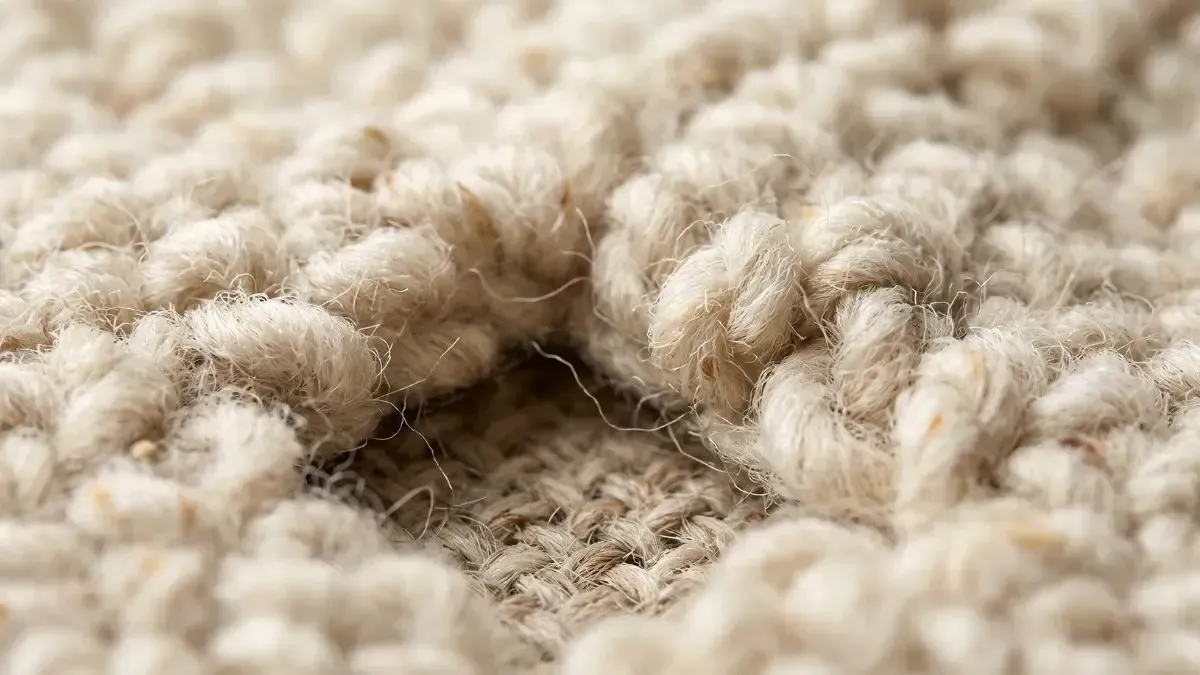
A large proportion of homes across Christchurch suburbs like Fendalton, Merivale, Cashmere, and Riccarton feature high-grade 100% New Zealand wool carpets. Wool is a delicate natural protein fibre with a protective outer cuticle.
When wool is subjected to high-alkaline consumer detergents and over-saturation, two disasters can occur:
- Shrinkage & Buckling: Carpet backings absorb excessive water, expand, and then contract sharply as they dry, causing the carpet to pull away from perimeter tack strips and form unsightly ripples across the room.
- Cellulosic Browning: Excess water dissolves natural lignin and tan dyes within a jute backing underneath the wool. As water slowly evaporates off the tips of the carpet fibres, it draws this brown plant dye upward through capillary action ("wicking"), leaving dark, rusty stain rings across the surface.
When is DIY cleaning appropriate versus calling a professional?
DIY cleaning is appropriate for immediate, localized spill management using a clean white towel and warm-water blotting. Professional technicians should always be called for whole-home deep cleaning, 100% wool carpets, end-of-tenancy cleans, biological pet / people accidents, and potentially permanent dye-based stains.
Spill First-Aid Protocol (What to Do Before Calling Us)
When an accidental spill occurs on your carpet, a sensible, immediate response prevents permanent setting without risking detergent damage:
- Blot, Never Scrub: Immediately place an absorbent white cotton towel or white paper towel over the spill and press down firmly. Never rub or scrub in circles, as friction permanently frays and distorts wool carpet cuticles.
- Dilute with Warm Water: Apply small amounts of plain lukewarm water to dilute the spill, continuing to blot from the outside of the stain inward to prevent spreading.
- Avoid Store-Bought Spotters: Refrain from spraying supermarket stain removers. Most contain high concentrations of bleaching agents or other chemicals that can permanently lock stains into wool fibres, making professional chemical removal impossible.
When Professional Intervention Is Essential
- End-of-Tenancy Exit Cleans: Property managers across Christchurch strictly inspect for chemical residues, water lines, and clean perimeters. Our specialized end of tenancy carpet cleaning in Christchurch provides official, itemised tax invoices that satisfy tenancy bond requirements.
- Restorative Annual Maintenance: To remove microscopic silica sand that cuts through carpet backing under foot traffic, schedule a full professional carpet clean in Christchurch every 12 to 18 months.
- Commercial Premises: Multi-story office spaces require specialised fast-drying maintenance. Explore our commercial carpet cleaning in Christchurch for low-moisture encapsulation options that dry within an hour.
Protect Your Flooring Investment with Christchurch’s Carpet Care Specialists
While a fifty-dollar supermarket hire machine sounds tempting at the checkout, the hidden costs of chemical detergents, lost weekends, and saturated underlay make DIY carpet cleaning a false economy. Your floor coverings are among the most valuable interior assets in your home, and using equipment with inadequate heat and weak suction risks permanent fibre damage and recurring mould issues.
At Advanced Carpet Cleaning, our truck-mounted thermal extraction systems eliminate the guesswork. We remove the abrasive grit that domestic machines leave behind, neutralise sticky residues, and extract over 90% of moisture to leave your carpets clean, soft, and fast-drying.
Skip the supermarket hire and save your weekend.
Contact Kerry and the team on 0800 566 576 or book your professional carpet clean online for trusted, family-owned service across Christchurch and Canterbury.