Sunblock vs. sofa: how to protect your upholstery from summer oils
Ah, the classic Christchurch summer. Long days at Sumner or New Brighton beach, family BBQs in the backyard, kids in the pool, and the distinct smell of sunscreen wafting through the house.
There is nothing quite like the feeling of collapsing onto your favourite armchair or sofa after a long, hot day in the sun. Whether it’s your indoor furniture or your outdoor chairs, while you’re relaxing your furniture is fighting a silent battle.
You might be diligent about wiping muddy paws at the door or banning red wine from the white lounge suite, but there is a summer culprit that often flies under the radar until it’s too late: Body oils and sunscreen.
At Advanced Carpet Cleaning, we see it every year around February and March. Beautiful furniture that has suddenly started looking dull, feeling weirdly "crunchy" to the touch, or developing mysterious dark patches on the armrests.
So, before the summer season takes its toll on your upholstery, let’s look at why sunblock and sofas are mortal enemies—and what you can do to keep the peace.
The invisible enemy: why sunscreen is a nightmare for fabric
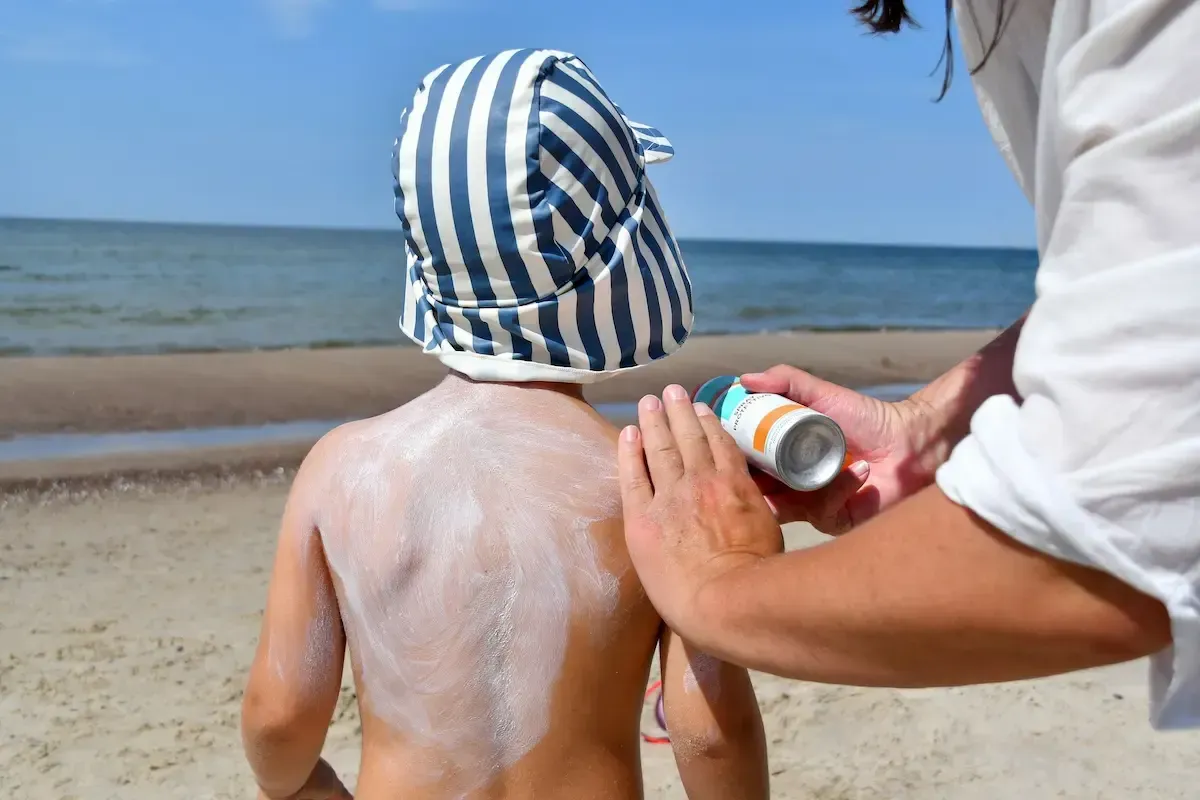
We are all told to "slip, slop, slap" to protect our skin, and experts recommend adults use about 7 to 9 teaspoons of sunscreen for a full-body application, for optimal protection.
And we may reapply that amount several times throughout the day. While its effectiveness will diminish with time, water, and towelling off repeatedly, our skin still carries a lot of sunscreen residue at day’s end.
Great for your skin? Absolutely. Great for your linen sofa? Absolutely not.
Modern sunscreens are marvels of chemistry, designed to cling to our skin, resist water, and protect against UV radiation. They are often oil-based or contain zinc oxide and titanium dioxide.
When you sit down on your upholstery wearing sunscreen, those oils transfer immediately onto the fabric. Because sunscreen is engineered to be water-resistant, it doesn't just sit on the surface; it bonds with the fibres of your couch.
Here is the science part. Most fabrics used in upholstery, whether natural like cotton and linen or synthetic like polyester, are absorbent. When an oil-based substance like sunscreen sinks in, it sits within the fibres or the weave – small amounts at the start of summer, quite a bit by the end of summer!
Our own natural body oils, as well as the other lotions we apply, do the same. And so the residues snowball.
The "dirt magnet" effect
You might be thinking, "Well, my sunscreen is clear, so it won’t stain, right?"
Wrong. The immediate transfer might be invisible, but the after-effects are not. That sticky oil residue acts exactly like a magnet or a strip of flypaper.
Everyday pollens, dust and airborne pollutants drift into and around your home. In a normal situation, regular vacuuming would lift these particles away. But on a "sunscreen-compromised" sofa, that dust lands on the sticky oil residue and gets trapped.
Over weeks and months, this builds up. The result?
The grey haze Your bright, vibrant fabric starts to look dull and greying, particularly on the seat cushions and armrests, and around where the back of your neck fits on the back cushion. It often looks like general wear, but it is actually trapped soil.
The "crunchy" feel Have you ever run your hand along the arm of a chair and felt a roughness or stiffness? That may not be the fabric wearing out; it can be a hardened layer of dirt and oil that has cemented onto the fibres.

Prevention: the rules of engagement
We know you want to live in your home, not wrap your furniture in heavy plastic like a grandmother from the 1970s. However, a few simple "summer rules" can save you thousands of dollars in premature furniture replacement.
The "shower first" policy It sounds obvious, but it is the most effective defence. If you have been out slathering on SPF 50 or sweating in the garden, try to rinse off before settling into the sofa. It removes the bulk of the oils and stops them from transferring to the soft furnishings.
The designated "summer throw" If showering every time isn't practical (we get it, life is busy!), invest in some heavy-duty, machine-washable throws. Drape them over the areas where bare skin touches the most—usually the seat cushions and the armrests. When they get grubby, you can toss them in the washing machine—a much easier option than trying to strip the covers off a sofa (which we generally advise against, as they can shrink or lose their shape).
Rotate your cushions We are creatures of habit. We tend to have "our spot" on the couch. When we retreat indoors in summer, this spot gets the double-dose of wear and oil. Regularly rotating your cushions distributes the impact and prevents one specific area from becoming the "sacrificial lamb" of the lounge suite.
Why DIY cleaning often makes it worse
So, you have noticed a greasy mark or a bit of discolouration. Your instinct is to grab a cloth and some soapy water, or perhaps a supermarket stain remover, and give it a good scrub.

Please, put the cloth down.
Here is why DIY cleaning on oil-based stains is risky:
- Oil and water don't mix: Most home remedies are water-based. If you try to clean an oil stain with water, you often just spread the oil further out, creating a larger, uglier ring around the original spot.
- The soap trap: If you use washing-up liquid or a generic spray, it is almost impossible to rinse it all out without professional extraction equipment. The soap residue that gets left behind is highly alkaline and sticky—which, ironically, attracts even more dirt than the original stain. You might clean the spot today, but in two weeks, it will likely look black again.
- Fabric distortion: Aggressive scrubbing on damp fabric can distort the weave (especially on linen or velvet), leaving you with a clean but fuzzy patch that looks worse than the stain did.
The professional solution: how we fix it
This is where professional upholstery cleaning in Christchurch becomes an essential maintenance step, not just a luxury.
At Advanced Carpet Cleaning, we approach upholstery with a completely different toolkit than the average homeowner possesses.
Specific chemistry We don't use soap. We use professional-grade emulsifiers specifically designed to break down the molecular bond between the oil and the fabric fibre. Think of it like a specialised degreaser – they can be gentle enough for silk but tough enough for zinc oxide.
Hot water extraction (steam cleaning) Once the oils are suspended, we use hot water extraction to flush them out. The heat helps to liquefy the oils, and the powerful vacuum suction removes the moisture, the dirt, and the detergent residue simultaneously. This leaves your furniture clean, pH-balanced, and soft to the touch—no more "crunchy" armrests!
Material knowledge We know that a cotton weave reacts differently to a polyester blend, a delicate viscose fabric or an indoor/outdoor fabric. We adjust our approach accordingly and happily share our knowledge of your fabric type so you feel well informed and confident about the clean.
The ultimate shield: fabric protection
If you have just bought a new lounge suite, or if you are about to get yours professionally cleaned, there is one final weapon in the arsenal: Organic MicroSeal.
Think of MicroSeal as sunblock for your sofa—but without the sticky mess.
It is a non-toxic, wool-safe fabric protection that penetrates the fibre itself rather than just coating the surface. It helps to protect the fibre against spills, lotions and body oils from becoming permanent, and reduces UV fading (another massive Christchurch summer issue!).
It doesn’t make the fabric bulletproof, but it keeps the oils on the surface rather than letting them soak deep into the dye sites of the fabric. This makes your regular vacuuming much more effective and gives professional cleaning a far better chance of removing the tell-tale signs of summer fun.
Don't let summer ruin your style
Your furniture is where life happens. It’s where you host guests, cuddle the kids, and relax after work. It deserves to look and feel good.
If you are noticing that summer "grime" starting to build up, decide now to get it cleaned at the start of autumn. A professional clean can lift those oils before they settle in for good.

Ready to banish the sunblock and bring back the brightness?
Call the expert team at Advanced Carpet Cleaning on 0800 566 576. We are Christchurch’s trusted experts for upholstery, carpet, and rug cleaning, helping you keep your home fresh all year round.